

Exploring the intricacies of casino gaming A complete overview
The History of Casino Gaming
The history of casino gaming is as rich and varied as the games themselves. Originating from ancient civilizations, the concept of gambling has evolved dramatically over the centuries. The earliest records of gambling date back to 3000 BC in China, where rudimentary games of chance were played. The idea of betting on the outcome of games spread through different cultures, ultimately leading to the establishment of the first formal casinos in Italy during the 17th century. These establishments were exclusive venues for the elite, offering games like baccarat and roulette, which still thrive today. Today, players can also engage in exciting platforms, including the aviator game that offers a unique twist on traditional gambling.

As gambling gained popularity in Europe, the idea of casinos as entertainment venues took root. The Casino di Venezia, founded in 1638, is often recognized as the oldest operating casino in the world. It served as a model for the modern gaming halls we see today, where players not only seek fortune but also a social experience. The Enlightenment period brought further sophistication, with the emergence of gambling as a leisure activity rather than merely a means to earn money. This shift laid the groundwork for casinos becoming integral parts of tourism in many countries.
The 20th century marked a significant turning point in the evolution of casinos, particularly in the United States. The establishment of Las Vegas as a gambling haven in the 1940s transformed the landscape of casino gaming. With the introduction of lavish resorts and themed casinos, Las Vegas became synonymous with gambling. Today, the global casino industry is a multi-billion-dollar enterprise, reflecting the continued fascination with games of chance and the entertainment they provide.
The Psychology Behind Casino Gaming
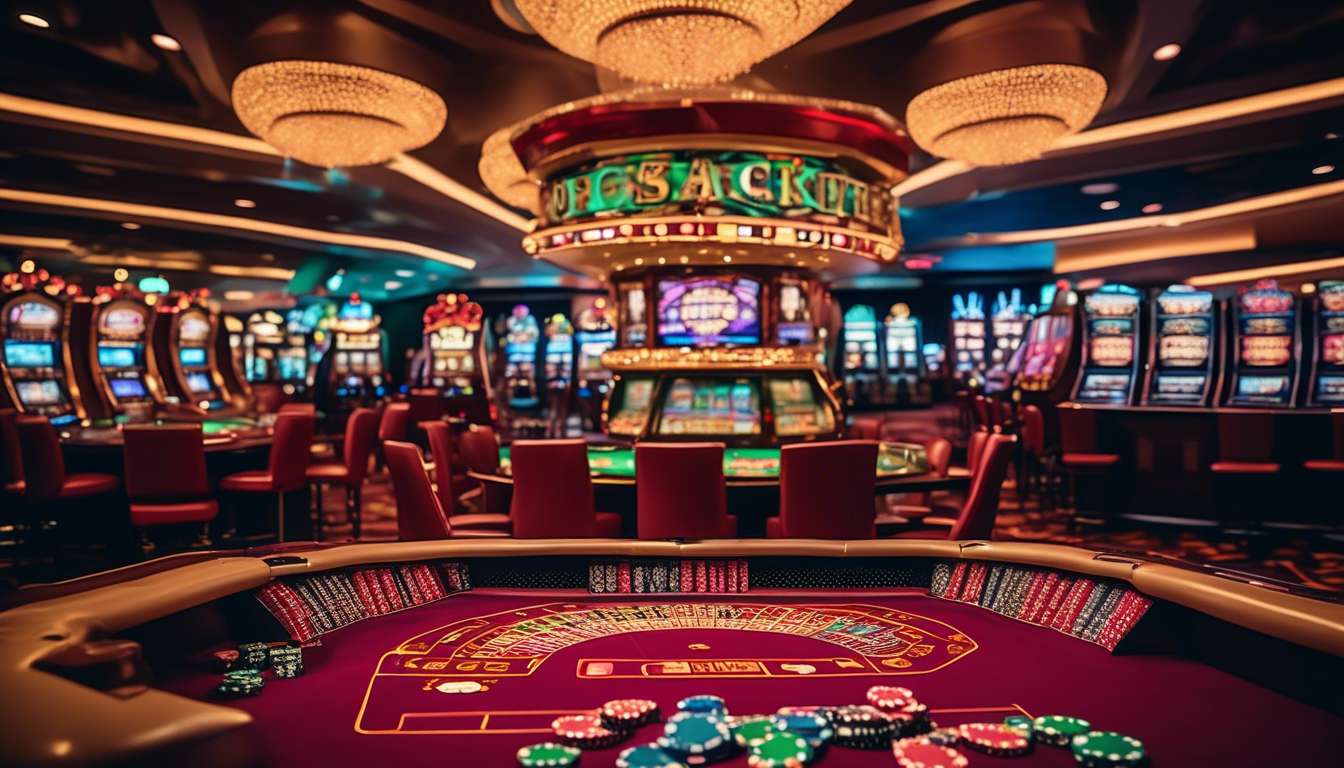
Understanding the psychology behind casino gaming is crucial to grasping why individuals are drawn to these venues. Casinos are designed to create an immersive experience, making players feel as though they are in a world apart from reality. The use of bright lights, cheerful sounds, and even the scent of specific aromas is intentional, aimed at stimulating players’ senses and keeping them engaged. This sensory overload can create a euphoric state, which may lead to prolonged play and increased spending.
The thrill of risk is another psychological aspect that attracts players to casinos. The uncertainty of winning or losing can create a rush of adrenaline that is hard to resist. Many people enjoy the challenge of testing their luck and skills against the odds. This sensation is amplified by the prospect of winning big, which is often depicted in media and advertising, further enticing individuals to try their hand at various games. Moreover, numerous celebrities have shared their experiences in casinos, adding glamour to the scene.
Moreover, the social aspect of gambling cannot be overlooked. For many, visiting a casino is a communal activity, where players bond over shared experiences. The interaction with dealers and other players can create a sense of camaraderie, enhancing the overall enjoyment of the gaming experience. This social dynamic is further reinforced by the presence of amenities such as bars and restaurants within casinos, catering to players’ desires for entertainment and connection.
Popular Casino Games Explained
Casino games come in many forms, each offering unique gameplay and chances of winning. Slot machines, often the first thing that comes to mind when thinking of casinos, are incredibly popular due to their simplicity and the potential for large payouts. Players simply insert money, spin the reels, and hope for matching symbols to appear. The allure of jackpots and progressive slots, where the prize pool grows with each bet, makes slots a staple in both land-based and online casinos.
Table games, on the other hand, require more strategy and skill. Blackjack, for instance, is a card game that pits players against the dealer, with the goal of achieving a hand value closer to 21 without going over. The decisions players make during their turn can significantly affect the outcome, making it a favorite among those who enjoy tactical gameplay. Similarly, poker combines chance with skill, as players compete against each other rather than the house, creating a unique blend of psychology and strategy.
Other notable games include roulette and baccarat. Roulette, with its spinning wheel and ball, offers a variety of betting options, appealing to both casual and serious gamblers. Baccarat, often associated with high rollers, is a game of chance where players wager on the outcome of two hands—the player and the banker. Each game brings its unique set of rules, strategies, and experiences, contributing to the overall diversity of casino gaming.
The Future of Casino Gaming
The future of casino gaming is poised for transformation, driven by technological advancements and changing consumer preferences. Online casinos have surged in popularity, offering convenience and a wide range of gaming options accessible from the comfort of one’s home. The rise of mobile gaming has further broadened the audience, allowing players to engage in casino games anytime, anywhere. As technology continues to evolve, innovations such as virtual reality and augmented reality are expected to create more immersive gaming experiences.
Moreover, regulatory changes around the world are opening up new markets for casino operators. As more countries legalize gambling, the potential for growth in the industry is substantial. This expansion is not only beneficial for casino owners but also for local economies that stand to gain from increased tourism and job creation. However, this rapid growth also comes with challenges, particularly around responsible gambling and consumer protection.
Another significant trend is the increasing focus on creating inclusive environments within casinos. Many establishments are working to attract a broader demographic by offering a diverse range of games and experiences. This includes catering to women and younger audiences who may seek different forms of entertainment within the casino space. As preferences evolve, the casino industry will need to adapt to stay relevant and appealing to all demographics.
Exploring Casino Gaming Resources
For those interested in delving deeper into the world of casino gaming, various resources are available to enhance the experience. Online platforms and forums provide valuable insights into game strategies, player experiences, and industry news. Additionally, many casinos offer comprehensive guides and tutorials to help new players understand the rules and nuances of different games. These resources can be instrumental in maximizing enjoyment and minimizing losses.
Furthermore, responsible gaming initiatives are becoming increasingly prominent, with casinos striving to promote safe gambling practices. Many establishments offer tools for players to set limits on their spending and time, ensuring that the gaming experience remains enjoyable without leading to addiction. By focusing on player welfare, casinos are taking steps to maintain a positive reputation and foster a healthy gaming environment.
As the casino landscape continues to evolve, keeping abreast of the latest trends and developments is essential for players and operators alike. Engaging with reputable websites and platforms can provide a wealth of information, from game reviews to the latest promotions. Staying informed not only enhances the gaming experience but also empowers players to make educated decisions about where and how to play.
