

Top 15 Gucci Handbags for Women This Year: Cost Analysis and Value
The following overview ranks these 15 designer bags with 2024’s most robust investment opportunity, featuring today’s U.S. price bands plus what you can reasonably anticipate in the secondary marketplace. The short version: heritage metal design groups including Jackie, Horsebit, plus Bamboo control value holding, notably in small-to-medium proportions using standard leathers. Use the following grid to compare retail vs resale, then examine the comprehensive model-by-model methodology.
Gucci’s icons are behaving like luxury market commodities this year, while a few newer silhouettes are gaining momentum under the house’s renewed strategy. When judging value, prioritize timeless hardware, neutral colors, and practical proportions meeting real-world demand. Discontinued cult pieces can outpace retail, but condition, completeness, and authenticity checks decide whether that premium persists. If you’re weighing usability against future liquidity, the models highlighted as “anchors” offer optimal risk-adjusted buys.
What Gucci handbags hold value in 2024?
Pieces containing classic elements and long, cross-era recognition hold the line: Jackie 1961, Bamboo 1955, Bamboo 1947, with Diana. Among modern silhouettes, Blondie and Horsebit Chain are climbing, while Dionysus stays consistent in classic iterations. Entry-price material including Ophidia stays fluid, as select discontinued models—Soho Disco with Sylvie 1969—sell over previous retail in optimal shades with condition.
The strongest holding formats are small or mini top handles and shoulder bags in black, beige, plus camel leather, followed with GG Supreme canvas with hide accents. Limited editions can spike, but mass distribution cuts trend cycle, so choose fundamental SKUs unless you’re trading quickly. Chain-equipped evening silhouettes like Horsebit Chain move smoothly across dress codes, supporting pre-owned velocity. Bright seasonal hues can do well upon debut, while neutrals compound value over a longer holding timeframe. Buyers intending to wear and trade must concentrate to the heritage pieces; investors might selectively hunt rare finds.
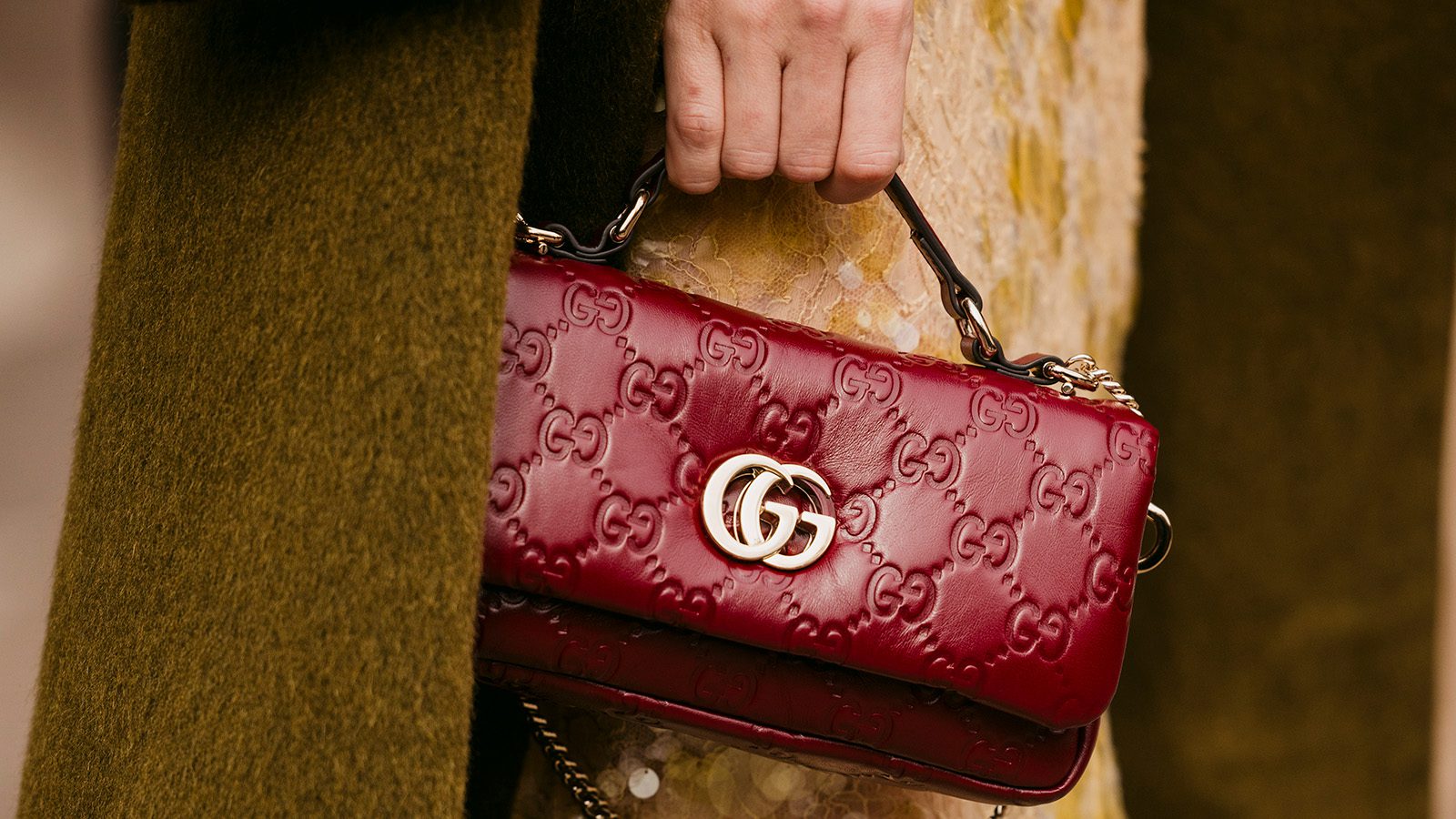
This Year’s Cost and Resale Snapshot
The grid presents US retail ranges plus common pre-owned retention for 2024, by model and common dimension setup. Prices shift with dimensions, leather, and region, so use these as flexible ranges instead than rigid markers.
| Model | U.S. retail 2024 (USD) | Standard secondary holding | Quick investment note |
|---|---|---|---|
| Jackie 1961 Small | $2,950 to $3,200 | 85-110% retention | Multi-generation classic; compact in black or tan leads. |
| Horsebit 1955 (Shoulder) | $2,700-$3,500 span | 85 to 105% | Heritage metal; GG canvas is consistent. |
| Bamboo 1947 Small Top Handle) | $4,200-$4,800 range | 85 to 105% | Hand-finished bamboo; rare colors pop. |
| Diana Small Tote | $3,600–$4,500 | 90–120% | Fame factor; bold straps boost interest. |
| Dionysus Small | $2,980-$3,600 range | 75 to 95% | Material preserves; ornamented pieces are volatile. |
| GG Marmont (Small) | $2,690 to $3,100 | 60–85% | Common; select black matelassé. |
| Ophidia Small | $1,290 to $1,790 | 65 to 85% | Budget option; GG Supreme ages gracefully. |
| Blondie (Small) | $3,200 to $3,800 | 80-100% holding | ’70s logo ring; clean leather optimal. |
| Padlock Small | $2,450-$2,990 range | 70–90% | Material combination; check corner wear. |
| Attache Small | $2,800–$3,300 | 70 to 90% | Modular strap; early De Sarno-era wager. |
| Aphrodite Small | $2,500–$2,900 | 65–85% | Rounded hobo; most secure in black. |
| Horsebit Chain | $3,800-$4,200 span | 85–110% | Night-appropriate; patent and black lead. |
| Camera Soho Disco | N/A (discontinued) | 70–110% of last retail | Resale jewel; quality drives price. |
| 1969 Sylvie Small | N/A (discontinued) | 85-130% versus last retail | Exotic hues with exotics soar. |
| Bamboo Bucket (Small) | $3,300 to $3,900 | 70–95% | Specialized shape; bamboo detail adds foundation. |
Retention bands show standard results for well-kept items featuring dust bag and receipt; poor condition can cut actual values by 15–40%. Regional appetite, progressive pricing increases, and seasonal color swings will nudge performance above or down. For ended styles, limited supply premiums hinge upon shade, metal finish, and intactness. If you plan to flip within a year, project the low end within each span; multi‑year holds for classics frequently creep toward upper limits.
How did our team rank investment potential?
We emphasized heritage durability, hardware family, today’s store steadiness, and secondary-market liquidity. We then incorporated shade plus size premiums, quality factors, with supply visibility for genuine odds, not simply posted pricing.
Liquidity weighs beyond theoretical upside, therefore styles showing consistent sell‑through with reasonable reductions rank higher over volatile favorites that require perfect timing. Heritage classic detail categories perform best because demand is broad and repeats through periods. We penalized silhouettes with rapid color churn and frequent markdown exposure, because such expand short-term listings while squeezing profits. Discontinued pieces gained rarity credit only when enduring social recognition is present, not simply because they’re difficult to locate.
Heritage icons that anchor value
Jackie 1961, plus Horsebit 1955, Bamboo 1947, plus Diana are your fundamental investment. Small and compact dimensions featuring black, tan, with brown skin consistently clear through narrow margins versus retail, featuring rare markups for rare hues. Jackie 1961’s tube clasp with slim hobo profile transitions across day and evening, supporting both wear-time plus secondary momentum. Bamboo 1947 plus Diana carry hand-finished bamboo grips, an craft detail that underwrites price floors and draws enthusiasts. If you’re acquiring one item to wear heavily plus trade cleanly later, begin through this quadrant.
Jackie 1961 Small at roughly $2,950–$3,200 is the most versatile entry, with the extra strap modernizes transport options while breaking the silhouette. Horsebit 1955 around $2,700–$3,500 leans classic; GG canvas with leather trim is slightly more forgiving to wear than full leather. Bamboo 1947 at $4,200–$4,800 is pricier, but the workmanship and smaller runs justify stronger retention. Diana at $3,600–$4,500 benefits from fame recognition, including bright strap shades providing speculative edge. Across these four, avoid oversized sizes unless you specifically want an office bag; resale skews more compact.
Current basics showing momentum
Dionysus, Blondie, Attache, and Horsebit Chain merge current aesthetics with recognizable Gucci elements. Blondie’s round Interlocking G plate reads fresh without being loud, and small black leather versions are subtly strengthening. Horsebit Chain provides dressy polish to a heritage motif, a profile that trades fast in core hues. Dionysus remains consistent across smooth leather and GG Supreme; heavily embellished editions fluctuate more. Attache’s modular strap system is clever with usability, yet treat it as a medium‑risk, medium‑reward hold except when obtaining a core shade early.
Price-wise, Dionysus Small falls around $2,980–$3,600, Blondie Small roughly $3,200–$3,800, Attache Small roughly $2,800–$3,300, plus Horsebit Chain at $3,800–$4,200. If you desire one “style‑aware” play with a safety net, choose Horsebit Chain with black material and keep it perfect. For Blondie, finished material reveals wear, so add material care routine within your expense basis. Reserve crystal, decoration, plus seasonal textures for accumulating, rather than for flipping on a timetable. As momentum develops, examine these models in six or twelve months for indicators of stock tightening.
Accessibly priced workhorses
Ophidia, Padlock, with Aphrodite are the practical end of the portfolio where expense for entry is minimal with activity is high. Ophidia featuring GG Supreme is a resilient regular bag, and the cost range keeps buyer pools wide. Padlock’s material combination forms corners the weak point; buy with clean trimming plus resell before heavy damage accumulates. Aphrodite’s curved hobo lines are trending, but stick to black to limit damage sight and fashion risk. These styles won’t likely to moon; they provide consistent wear with managed risk.
Ophidia’s small formats span about $1,290–$1,790, which appeals to new luxury buyers and supports pre-owned appetite. Padlock Small positions near $2,450–$2,990, and neutral trims perform best. Aphrodite Small around $2,500–$2,900 remains new enough to seem modern without feeling speculative in core colors. If buyers assign a fixed budget, one heritage anchor plus one within these staples balances the portfolio. Keep boxes, dust pouches, plus receipts to maintain fluidity during you exit.
Discontinued cult pieces worth chasing
Soho Disco and Sylvie 1969 have the scarcity premium and social proof to merit seeking. Soho Disco’s small camera profile still headlines journey plus informal outfits, and pristine caviar‑textured leather pairs to strong pricing. Sylvie 1969, especially in rare colors or exotic trims, can clear well above last retail because production remained limited while the hardware becomes immediately recognizable. Both reward patience and authentication diligence, since state variations stay wide. Treat these items as calculated buys rather than everyday beaters if you want to protect upside.
On Soho Disco, emphasize clean corners, intact trim, with pristine interior; pay extra for full set items with fresh spa receipts. For Sylvie 1969, inspect chain‑and‑web metal coordination, closure tension, and border finish for avoid expensive aftercare. Expect pricing differences per shade; black and beige establish the floor, while bright or uncommon shades can push the top of the span. If a offer looks reduced for condition, assume competition and move quickly including authentication. Scarcity helps, but only the right specimen changes this to outcome.
Boutique against secondary: the smarter play now
Buy new if it’s a core icon with basic leather or a trending launch with visible queues; alternatively, used narrows your exposure by 15–35%. For items one intends to wear for several years, new can be sensible if one want warranty protection with the exact spec. When one plans to flip during twelve months, pre-owned in outstanding quality including a full set is the cleaner trade. Archived items default to pre‑owned; gain via tracking price data with matching sales. In every scenario, negotiate condition-first, not simply value-first.
Market cadence affects outcomes. New prices tend to ratchet up annually, potentially lifting resale floors with heritage pieces, therefore a well-timed boutique purchase still works. Pre‑owned markets soften in late summer with early January, useful windows for purchasers. If a model is everywhere on social feeds, assume a near-term oversupply and wait. Keep a continuous brief roster with target bands so you can act when a listing hits your criteria.
Upkeep, materials, with color strategy for value retention
Neutral leather in small-to-medium sizes stacks the finest probabilities, next by GG Supreme fabric featuring leather trim. Maintain with filling and a cushioned separator across chain and hide preventing indentations, and switch carrying to reduce corner wear. Track edge finish, angles, plus hardware micro-scratches; these are the line items buyers scrutinize and deduct for. Bypass extensive ornamentation and heavy patent throughout everyday use if one maximizes future value. Preserve records, boutique stamps, and complete extras unified to lift realized price and speed up the sale.
When picking across comparable listings, pick the option featuring cleaner corners, then the one with the improved record keeping. If you desire a temporary color, buy it to appreciate, not to resell; the anomaly is a verified restricted production tied to an happening with capsule. For Bamboo with Diana, treat the bamboo handle with care and bypass lengthy temperature to prevent splitting. For canvas models, clean trims promptly plus stopping hue transfer from dark jeans. A simple care regimen builds value over periods via a way most consumers underappreciate.
